2026
In press
A paradox of brokerage: Alter distrust, network self-promotion, and the willingness to accept referrals from brokers
Brands, R., Brady, G. L., & Mehra, A. — Organizational Behavior and Human Decision Processes
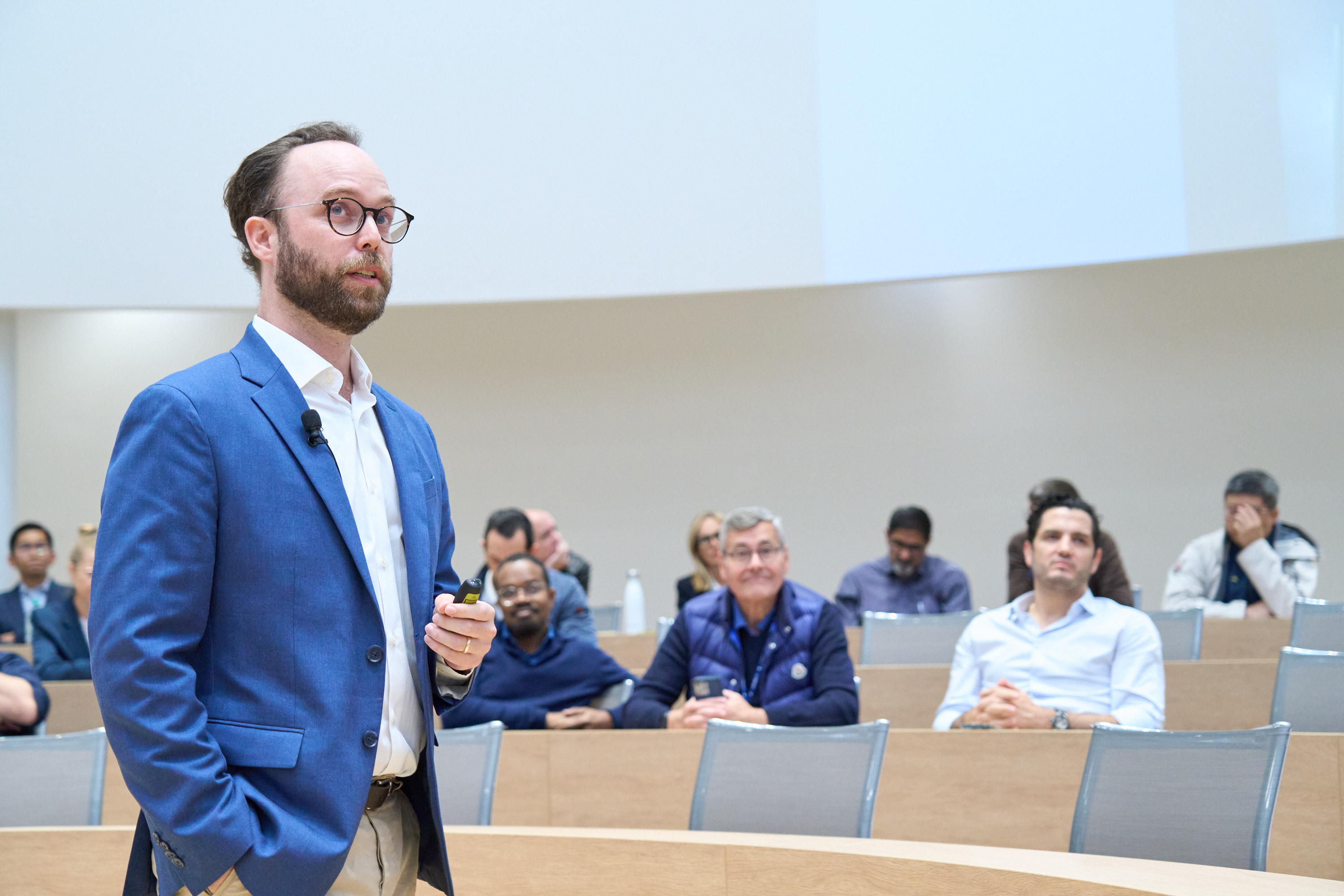
I am an Assistant Professor in the Department of Management and Technology at Bocconi University. I received my PhD in Organizational Behavior from London Business School.
My research program is related to organizational behavior in general and to leadership, social hierarchy, and interpersonal influence in particular. Leaders are necessary and can profoundly benefit those they work for and lead. Still, many leaders choose to influence others in ways that harm employees, teams, and their organization. I am interested in when and why leaders negatively impact the organizations they direct and the subordinates they manage. To address these questions, I invoke an evolutionary lens of social influence. I focus on identifying how leaders' influencing strategies impact those below them in the hierarchy.
In the classroom, I engage students across undergraduate, MBA, and DBA programs in courses on leadership, research methods, and judgment and decision-making — always with an eye toward connecting rigorous scholarship with real-world practice.
I serve on the Editorial Board of Organization Science (2025–present) and review ad hoc for the Academy of Management Journal, Organizational Behavior and Human Decision Processes, Journal of Experimental Psychology: General, Personality and Social Psychology Bulletin, Journal of Organizational Behavior, and the Journal of Business Ethics.
Dominance and prestige are distinct pathways to social rank. Because each secures deference through a different mechanism, the pathway a leader follows has systematic consequences for subordinates and teams.
Observers infer leaders’ motives, morality, and trustworthiness from how they gain and exercise influence. These inferences—accurate or not—shape trust, endorsement, and advancement.
Leadership and hierarchy can erode ethical behavior, constrain career mobility, disrupt work–family life, and weaken cooperation. These costs often fall on subordinates rather than on the leaders who generate them.
Artificial intelligence increasingly mediates how managers diagnose problems, give feedback, and exercise influence. I study what this delegation does to judgment, accountability, and the leader–subordinate relationship.